A practical SMB guide to downloading domain lists by TLD
For small to medium-sized businesses in the United States, identifying the right online audience often starts with the data you can trust and act on. Downloadable domain lists by top-level domain (TLD) such as .website, .sh, and .autos can unlock opportunities for market insight, SEO analysis, and targeted outreach - so long as they are used responsibly. This article lays out a practical, non-gimmicky path to evaluating, acquiring, and using these lists in a way that respects user privacy, complies with industry guidelines, and still drives measurable outcomes for a web design and digital marketing program. Note: while many providers offer bulk domain datasets, industry best practices discourage reliance on purchased or scraped contact lists for outreach without consent. This stance is supported by guidelines on email deliverability and compliance with laws like CAN-SPAM and GDPR.
When planning to work with domain datasets, SMBs should treat the data as a strategic asset - not a quick fix. It’s easy to default to the most volume for the sake of speed, but quality and ethics determine whether a list actually compounds your growth or harms your sender reputation. As you read through this guide, you’ll see how to balance practical use cases with responsible data practices.
Understanding what domain lists by TLD are - and what they’re not
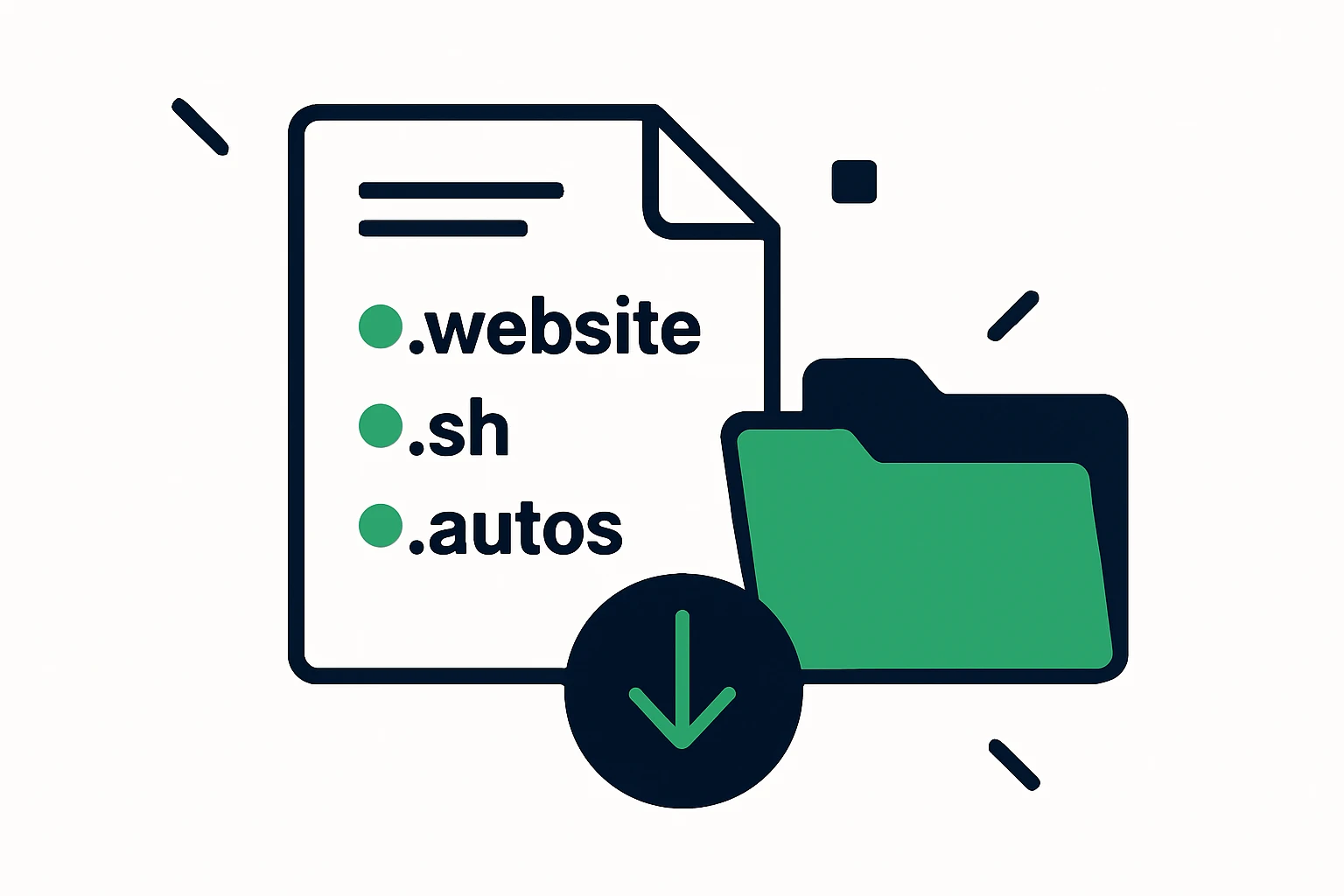
Domain lists by TLD are compilations of registered domains that share a suffix, such as .website, .sh, or .autos. These lists can illuminate market segments, regional presence, and brand activity across industries. They are different from live customer records and should not be treated as opt-in contact lists. A well-constructed dataset can support competitive benchmarking, content localization strategies, and domain-level SEO analysis, rather than being used as a direct marketing file. For example, automotive-focused TLDs like .autos can reveal players in a specific ecosystem, aiding a focused outreach or content strategy that complements organic SEO. Important contextual note: domain suffix lists and registries exist within a broader governance framework. ICANN’s SSAC Advisory and related material discuss how suffixes and registries are organized and maintained, which can influence how you parse and interpret TLD data.
For readers needing a taxonomy: the Public Suffix List and related registry documents define how registrable domains are structured and parsed. Understanding these boundaries helps prevent misinterpretation when you build analytics around domain datasets. This is particularly relevant when you are segmenting by TLD for research or audit purposes.
Sources note: for high-level governance and suffix handling, see ICANN’s SSAC advisory on static TLD lists and the broader discussion of suffix structures. ICANN SSAC SAC-070. (icann-hamster.nl)
Why SMBs should care about .website, .sh, and .autos in 2026
Different TLDs often track distinct industry verticals or regional footprints. A .website dataset, for example, can surface a broad array of consumer- or business-facing sites, whereas a niche TLD like .sh might identify tech-forward projects or startups capitalizing on memorable domain hacks. The .autos namespace, targeted at the automotive ecosystem, can help automotive retailers, service providers, and mobility platforms understand competitive positioning and content gaps within a defined sector. Using these datasets responsibly can support several concrete goals: benchmarking content gaps, informing localization or geo-targeting strategies, and generating ideas for domain-led content partnerships that align with a publisher’s audience and a client’s capabilities.
Practical guidelines emphasize ethical use and consent in outreach. Reputable data practices discourage purchasing or harvesting contact lists for unsolicited outreach, and instead advocate for permission-based, compliant engagement. This approach reduces deliverability risk and preserves brand trust. For organizations navigating outbound outreach, industry best practices stress compliance with CAN-SPAM, GDPR, and related privacy regulations, along with ongoing hygiene checks to maintain sender reputation. (support.outreach.io)
How to assess the quality and relevance of a domain list
Not all domain lists are created equal. The value comes from timeliness, accuracy, and context. When evaluating a dataset, consider the following dimensions: freshness (how recently domains were added or updated), scope (coverage across the TLD and relevant industries), and data richness (whether you receive ancillary signals such as registration dates, DNS status, or geotargeting cues). In practice, you should pair any dataset with a clear usage plan - what you intend to learn or action upon the data, and how you’ll verify outcomes. Industry discussions emphasize ethical data sourcing and careful hygiene to avoid sending messages to non-consenting recipients or triggering spam filters. Best-practice guidance for deliverability and consent-based outreach highlights that purchased or scraped lists can harm sender reputation and reduce engagement. (dn.org)
An actionable framework for using domain lists: a practical table
Below is a compact framework to guide SMBs from goal to outcome when working with downloadable domain lists. Use it as a repeatable workflow to ensure you get value without compromising compliance or deliverability.
| Step | What to do | Why it matters | Inputs | Output |
|---|---|---|---|---|
| 1. Define objective | Choose a specific, measurable goal (e.g., identify 20 domain-rich content gaps for Q2). | Prevents data overload and keeps efforts aligned with business outcomes. | Business goals, target audience, TLDs of interest (eg, .website, .autos). | Structured goal statement and success metrics. |
| 2. Validate data source | Confirm the dataset provider’s credibility and update cadence, verify sample records. | Quality data leads to reliable insights and reduces misinterpretation. | Dataset metadata, sample records, provider reputation. | Validated data source with documented update frequency. |
| 3. Segment and contextualize | Group domains by industry, geography, or intent signals (e.g., service pages vs. product sites). | Reveals patterns and uncovers actionable opportunities for content and outreach. | Domain attributes, any accompanying signals. | Segmented lists with defined use-cases. |
| 4. Align with compliance | Ensure outreach plans respect consent, opt-outs, and regional privacy laws. | Protects sender reputation and reduces legal risk. | Legal guidance, internal policy, opt-out handling process. | Compliance-ready outreach workflow. |
| 5. Test and iterate | Run small-scale pilots to test messaging, relevance, and deliverability, optimize over time. | Data-driven improvement with lower risk and cost. | Initial subset of domains, draft messages, tracking plan. | Refined approach and scaled plan. |
Limitations, trade-offs, and common mistakes
Like any data-centric tactic, using domain lists has boundaries. A few routine pitfalls to avoid include: relying on a single TLD as a proxy for market opportunity, assuming all domains imply a willing audience, and treating domain lists as an all-purpose contact database. The most consequential misstep is ignoring consent and regulatory requirements when engaging in outreach. Industry practitioners warn that bought or scraped lists often contain invalid or non-consenting recipients, which can trigger deliverability problems and harm brand reputation. In practice, maintain a policy of permission-based outreach, verify opt-out requests, and monitor engagement metrics to avoid blacklists. Practical guidance on deliverability and legal compliance reinforces these points and provides a framework for ongoing hygiene and compliance checks. (support.outreach.io)
Putting it into action: a practical workflow with WebAtla
WebAtla offers a centralized hub for exploring domain lists by TLD, including pages focused on common namespaces such as .website and .autos. For SMBs testing the waters, begin with the hub page to understand available datasets and formats, then drill into a few targeted subsets that align with your content strategy. If you are evaluating options for ongoing domain dataset access, consider how pricing and update cadence fit your marketing calendar. A practical starting point is to review WebAtla’s TLD pages and pricing to determine a level of access that matches your outreach and SEO experimentation plan. WebAtla’s domain-list hub provides a structured entry point for these datasets. (webatla.com)
For teams ready to move from analysis to action, pair your domain-list exploration with a permission-based outreach protocol and a clear measurement plan. If you need clarity on how to balance data-driven insights with privacy and deliverability, you can review practical guidance from industry resources that address consent, opt-outs, and CAN-SPAM compliance. Pricing and access options help you align the data strategy with budget and scale.
Conclusion: domain lists as a strategic, not stand-alone, asset
Downloadable domain lists by TLD like .website, .sh, and .autos can be valuable when used as a strategic lens for content, SEO planning, and market understanding. The key is to treat these datasets as one input among many - integrated with consent-based outreach, robust data hygiene, and clear measurement. When SMBs pursue domain-led insights with discipline, they can uncover meaningful opportunities to inform website development, digital marketing, and content strategy without compromising ethics or compliance. For teams exploring this approach, WebAtla offers a practical gateway to the domain datasets that underpin these strategies, with the flexibility to scale as needs evolve.