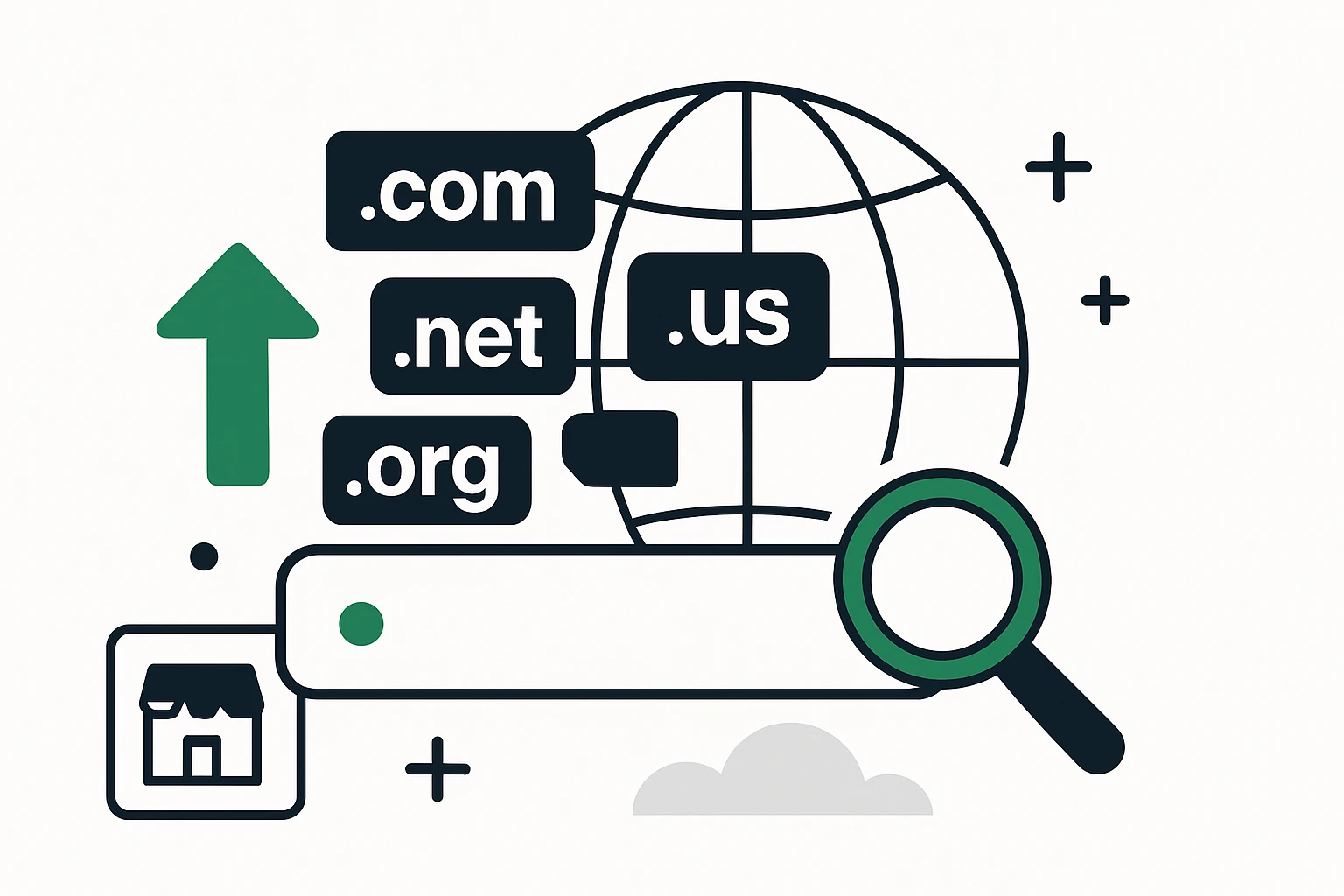
Choosing the right top-level domain (TLD) is more than a branding choice for a US-based business. It signals credibility, frames audience expectations, and can influence the ease with which prospective customers find and trust your site. In a landscape with hundreds of TLDs - from established options like .com and .net to country-code domains like .us and a growing shelf of new generic TLDs - small and medium businesses (SMBs) need a disciplined way to perform a tld search that aligns with both branding goals and practical marketing outcomes. This article provides a concrete framework to evaluate TLDs, supported by industry insights, and shows how a thoughtful TLD strategy fits into a broader web design and digital marketing plan for US SMBs.
Understanding TLDs: what they are and how they work
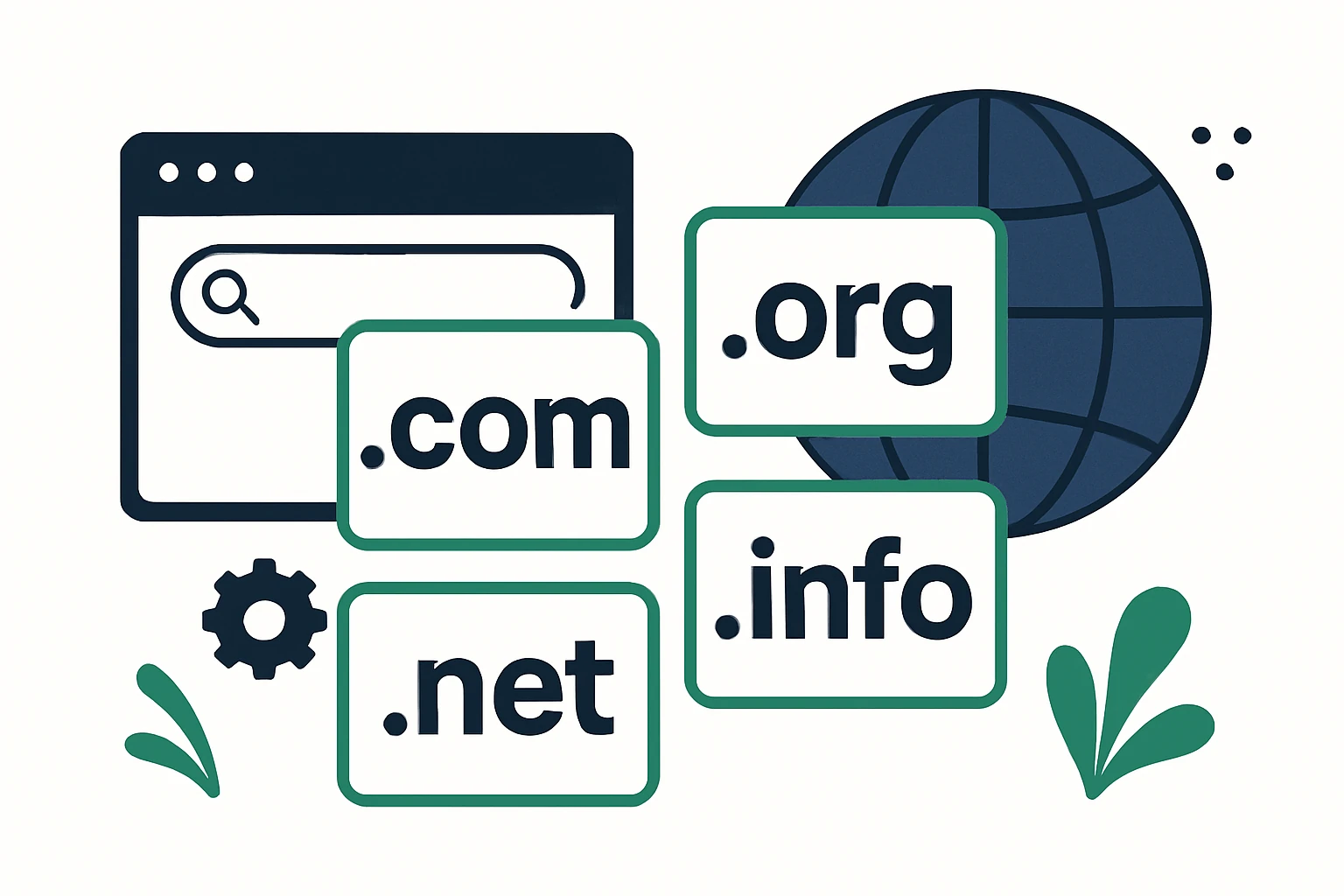
Technically, a TLD is the right-most segment of a domain name. Each TLD is managed by a registry, with rules and costs that can differ considerably. The right-most label (for example, .com, .net, or a country-code like .us) is what we call the top-level domain, while the part before the dot is the registered domain you choose. ICANN, the global authority on domain names, defines TLDs and describes how they fit into the DNS system that makes the internet navigable. Understanding this structure helps SMBs think clearly about which extensions fit their brand, audience, and global reach. For a foundational overview of TLDs, see ICANN’s explanation of generic top-level domains (gTLDs) and how registries operate within the system. ICANN: What is a Top-Level Domain? (icann.org)
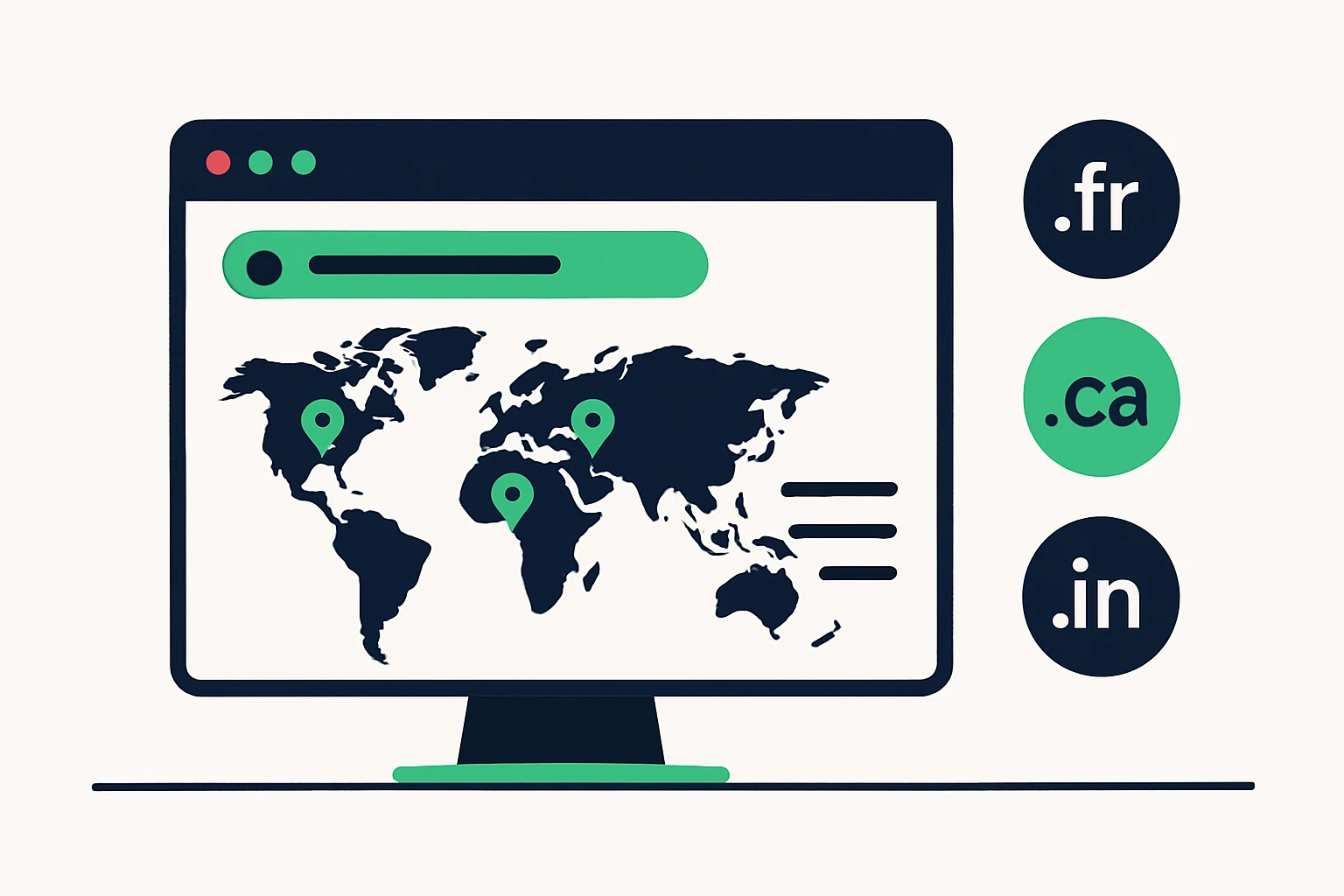
In addition to the standard .com/.net/.org trio, new gTLDs (like .shop, .tech, or industry-specific extensions) and ccTLDs (country-code TLDs such as .us, .ca, or .uk) broaden the field. The official ICANN program pages and glossary explain these categories and the policies that govern them as the domain space evolves. New gTLDs program and ICANN’s top-level domain definitions provide additional context. (newgtlds.icann.org)
Branding and trust signals: how TLDs influence perception
For many users, the domain extension is a quick, subconscious trust signal. A familiar extension like .com can convey established presence, while country-code extensions can imply local relevance. Verisign’s research into small-business web domains highlights how country-specific and local-domain preferences influence consumer perception and decision-making, which in turn can affect engagement and conversions. This is not a direct SEO signal, but it matters for user behavior and brand credibility. Verisign: Benefits and Barriers of Small-Business Web Domain Preferences (verisign.com)
Google’s stance on SEO clarifies that no extension inherently outranks another in ranking. In practice, the extension’s effect is indirect - through click-through rates, perceived trust, and backlink potential - rather than a direct algorithmic boost. For a succinct expert perspective, see Google’s John Mueller commentary via industry coverage. Does Domain Extension Affect SEO? (searchenginejournal.com)
Local relevance and SEO: when TLDs matter for search intent
Local SEO typically benefits from signals indicating geographic relevance. While a country-code TLD can aid local search intent in some contexts, major search engines like Google treat generic TLDs (and ccTLDs) fairly, focusing on content quality, relevance, and user experience. In other words, a well-optimized site with strong content and good UX can perform well across many extensions, but the extension can influence local trust and CTR in ways that matter for conversions. Recent SEO coverage synthesizes these points and emphasizes that domain extension is not a direct ranking factor, though it can affect user behavior and local confidence. Domain Extensions SEO: What You Need to Know (searchengineland.com)
For SMBs targeting the US market, a common-sense approach is to balance local relevance with branding simplicity. Country-code TLDs can signal local focus to US audiences and partners, while generic TLDs keep the door open for national or global reach. The practical takeaway: pick an extension that aligns with your primary audience and long-term plan, rather than chasing an assumed SEO boost from the extension itself. Namecheap: Can a Domain Name Boost SEO Rankings? (namecheap.com)
A practical decision framework: how to pick your TLD
Use this structured approach to guide your tld search and ensure your choice supports branding, trust, and marketing goals:
- Define audience geography and intent: Is your primary audience nationwide in the US, or focused in specific states or markets? If proximity matters, ccTLDs or geo-targeted landing pages may help, but ensure your brand is clear and memorable.
- Assess branding and recall: Which extension best reinforces your brand identity? A familiar .com often remains easiest to remember, but a well-chosen new gTLD or ccTLD can differentiate your business if it aligns with your product category or location.
- Evaluate local SEO vs branding trade-offs: If local customers are a priority, consider a local extension or dedicated landing pages with strong NAP consistency. Direct SEO impact from the extension is limited, but user trust and click-through can indirectly affect visibility.
- Consider technical and operational constraints: DNS setup, SSL certificates, and email deliverability can vary by registrar and TLD. Ensure you can maintain security, accessibility, and uptime across the chosen extension.
- Plan a migration and measurement strategy: If you switch TLDs later, plan redirects, analytics updates, and rollout timing to minimize traffic disruption. Monitor traffic, conversions, and rankings after any change.
To support this decision process, consider exploring Webatla’s comprehensive directory of domains by TLDs to understand available options and regional coverage. Webatla: List of domains by TLDs and their .com TLD catalog can be useful references as you compare branding and availability.
This framework integrates with standard website development and marketing workflows. A solid web design agency USA approach combines clean branding, accessible site structure, and consistent domain strategy to support your overall growth plan. For SMBs, the goal is to land on a TLD that remains credible, scalable, and testable as you expand markets or product lines.
For businesses exploring broader international or multilingual ambitions, security and accessibility considerations also come into play. Internationalized domain names (IDNs) and related IDN policies allow non-Latin scripts, which can be important for multinational brands, but require careful governance to avoid confusion and maintain consistent branding. ICANN maintains guidance on IDNs and TLD policy, which is worth reviewing if you anticipate multilingual audiences. ICANN: Internationalized Domain Names (icann.org)
Structured decision aids like this can also be augmented by a quick internal exercise: map each potential TLD to your top three customer journeys and measure perceived trust, ease of recall, and landing-page performance. This ensures the chosen TLD is not just technically viable, but functionally aligned with how customers interact with your brand online.
Limitations and common mistakes in TLD selection
- Relying on the extension as a direct SEO booster. Search engines treat most TLDs similarly, the ranking benefits come from content quality, links, and UX, not the extension itself. See industry discussions and Google-focused analyses on this topic. Search Engine Land: Domain Extensions SEO and Search Engine Journal: Does Domain Extension Affect SEO? (searchengineland.com)
- Underestimating local trust signals. In some cases, country-code TLDs can boost perceived local relevance, which can improve CTR and local engagement even if the SEO impact is indirect. Refer to Verisign’s SMB domain preferences research for context. Verisign: SMB Domain Preferences (verisign.com)
- Overlooking user experience during a migration. If you switch domains, you risk traffic drops and indexing delays without careful redirects and analytics tracking. Industry coverage emphasizes planning and monitoring after a move. SEJ: Does Domain Extension Affect SEO? (searchenginejournal.com)
In short, TLD selection is a branding and risk-management decision as much as a technical one. The practical emphasis should be on user trust, branding clarity, and the ability to scale, rather than chasing a hypothetical SEO advantage tied to the extension itself.
Case scenarios: applying the TLD decision framework
Case 1 - US-based B2B service provider: A US-centric professional services firm prioritizes credibility and a simple memory ladder. A classic .com or a narrowly focused country-code domain (for example, .us or a state-level domain) can be effective if the marketing strategy emphasizes nationwide reach with local credibility. The decision prioritizes brand recall, uniform web presence, and easy email deliverability.
Case 2 - US-based e-commerce with international reach: A home goods retailer serving multiple North American markets may benefit from a .shop or other product-category TLD that signals product type while maintaining a familiar extension for US customers. In this context, the TLD is part of the brand story, but the site’s content and UX remain the primary SEO and conversion drivers.
In both cases, the migration plan, if needed, should include clear redirects and updated analytics configurations so that traffic and revenue are tracked accurately. The broader takeaway is that the TLD is a design and marketing decision with potential performance implications, rather than a silver bullet for SEO. For organizations exploring domain portfolios, Webatla’s directory and domain listings by TLD provide a practical sandbox to compare options and assess availability and pricing.
Conclusion: anchor your TLD choice to brand, not bravado
Choosing a TLD is ultimately about how your domain supports your brand promise, how it feels to your target customers, and how it fits into your broader web development and marketing strategy. The evidence to date suggests there is no universal SEO win tied to a particular extension. Instead, focus on building a strong brand, delivering high-quality content, and creating a seamless user experience, while selecting an extension that enhances trust and recall in your core markets. As you audit options, leverage credible sources such as ICANN for policy context and industry analyses to inform your decision. ICANN: What is a Top-Level Domain? (icann.org)
For those building a cohesive web presence, it helps to view the TLD decision as part of your overall digital strategy, which includes website development services, SEO services for SMBs, and digital marketing programs. A well-chosen TLD, combined with a strong design, targeted content, and robust analytics, can support sustainable growth without relying on a single extension as the sole lever for visibility. If you’re exploring domain portfolios or want to see concrete examples of TLDs in action, check out Webatla’s directory for a broad view of available options and their implications: TLD directory and .com catalog.
Finally, remember that a good TLD choice is a step in a broader strategy. Pair it with a strong user experience, clear branding, and measurable performance to maximize your SMB’s online impact.