Introduction: a problem SMBs must solve in 2026
For US small and midsize businesses expanding their digital footprint, the domain is more than a name. It’s a signal to users and search engines about geography, language, and trust. With rapidly evolving guidance from search engines and a crowded marketplace of TLDs (top-level domains), choosing where to anchor your website (ccTLDs, gTLDs, or subdirectories) is a strategic decision that can influence visibility, speed, and branding for years to come. This article offers a practical framework to help SMBs assess domain options, weigh trade-offs, and sequence investments - so your digital marketing, web design, and hosting choices align with real growth goals. It also shows how a domain-portfolio approach - supported by providers like WebAtla - can accelerate international readiness without overpaying for complexity.
Section 1: What actually signals value in domain strategy?
Search engines use multiple signals to determine geographic and language targeting. Historically, country-code top-level domains (ccTLDs) like .ca or .de provided strong geographic signals, while generic top-level domains (gTLDs) such as .com were treated as global. Today, Google’s own guidance emphasizes a combination of signals, including ccTLDs, hreflang tags, and server location, to indicate geographic targeting. Importantly, Google also notes that some vanity ccTLDs (for example, .tv or .me) can be treated as generic TLDs rather than country-specific signals, depending on user expectations and context. These nuanced signals mean there’s no single “winner” - the best approach depends on target markets, content localization, and performance considerations. (developers.google.com)
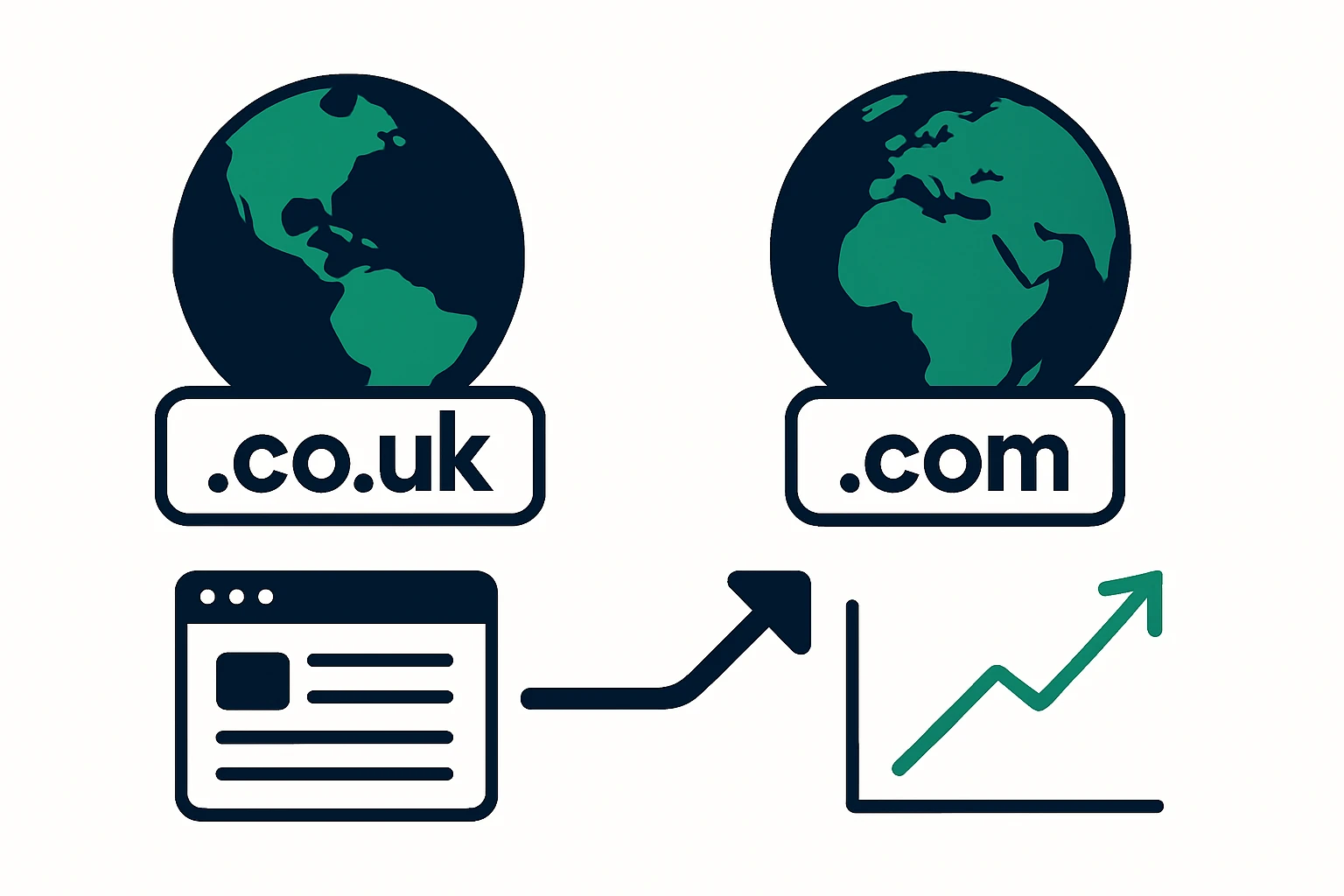
For SMBs, this means a careful balance: a ccTLD can clearly signal country intent when you own a market with strong local demand and language alignment, but modern search experiences increasingly rely on a broader mix of signals. A recent Google update explicitly notes that country-level domains are no longer strictly necessary to deliver local results, as Google has redirected ccTLD traffic to google.com to streamline the user experience. This shows that while ccTLDs remain valuable signals in many cases, they are not the sole determinant of local visibility. (blog.google)
Section 2: A practical framework to decide among ccTLDs, gTLDs, and subdirectories
Use the following 4-step framework to decide where your domain should live, or how to structure a coordinated portfolio across markets. The steps are designed to be actionable for SMBs without demanding excessive domain overhead.
- Step 1 - Define target markets and language strategy: List where you currently earn revenue and where you expect growth in the next 12–24 months. If you’re targeting a single country with a distinct language, a ccTLD can offer a quick local signal, for multilingual or multi-country growth, plan how content will be localized and how signals will be coordinated (hreflang, language variants).
- Step 2 - Choose the signal architecture: Decide whether you will leverage ccTLDs, a global gTLD, or a hybrid approach. Google’s official guidance identifies ccTLDs as strong country signals, but also highlights that hreflang and server location contribute to international targeting. Your choice should depend on brand strategy, resource availability, and performance considerations. For many SMBs, subdirectories or subdomains with proper hreflang can offer a scalable alternative to maintain a cohesive global site while still signaling regional intent. Google Search Central: Managing multi-regional sites (developers.google.com)
- Step 3 - Consider performance and hosting alignment: Geography and hosting location affect page speed and user experience, which influence SEO indirectly. If you anticipate global traffic, you may host regions closer to users or use a content delivery network (CDN). The signal picture includes server location, so plan hosting with latency in mind as part of your broader SEO and UX strategy. Google Search Central: Managing multi-regional sites (developers.google.com)
- Step 4 - implement a clean, maintainable structure: Whether you choose ccTLDs, a single global domain, or a hybrid portfolio, ensure canonicalization, clear hreflang implementation, and consistent analytics. Avoid duplicative content without proper signals, and document your portfolio decisions so you can scale responsibly as you add markets.
To illustrate, consider a US SMB planning gradual international expansion: you might begin with a global .com for universal branding, then add a country-focused ccTLD for a high-potential market with localized content, while keeping language variations in subdirectories to control SEO equity. The decision is not purely legal or branding, it hinges on real-world operations, translations, and the ability to maintain quality content at scale.
Section 3: Real-world implications and nuanced trade-offs
Beyond signals, several practical trade-offs shape domain strategy for SMBs.
- Brand clarity vs. geographic precision: A strong brand may benefit from a familiar gTLD like .com, especially when you plan global reach. A ccTLD can reinforce regional relevance but may complicate brand consistency if you pursue multi-country campaigns simultaneously.
- Content localization effort: Local domains usually pair with localized content. If you lack resources for full localization across markets, subdirectories with hreflang can be a pragmatic compromise that preserves link equity across a single domain while signaling regional intent.
- Backlink authority and portfolio management: Building or transferring link equity across multiple domains adds management complexity. A well-planned portfolio helps you avoid thin or duplicated signals that could dilute SEO value.
- Operational readiness: Domain strategy should align with your hosting, CMS, translation workflows, and marketing automation. If you can reliably deploy localized content and maintain regional campaigns, a ccTLD strategy becomes more viable. If not, a unified approach with smart localization might be preferable.
Section 4: Limitations and common mistakes SMBs often make
Even with a clear framework, several pitfalls recur. Being aware of them helps you avoid costly missteps.
- Over-relying on TLDs as a sole signal: TLDs alone do not guarantee local rankings. Google uses multiple signals, including hreflang, language matching, and server location, to determine geographic relevance. Use TLDs as one signal among many, not as the only lever. Google’s international targeting guidance (developers.google.com)
- Inconsistent hreflang and canonical signals: Duplicate content across country variants without proper hreflang annotations or canonicalization can confuse search engines and harm indexation. Follow best practices to map pages to locales carefully. Google’s guidance on geo-targeting and hreflang (developers.google.com)
- Not accounting for performance across geographies: Even if a country signals is strong, slow loading pages in target markets undermine user experience and rankings. Performance considerations should accompany any domain strategy, including hosting decisions or CDN usage. Google’s ccTLD update and local experiences (blog.google)
- Portfolio sprawl without a plan: Registering many TLDs without a clear purpose creates governance and maintenance burden. A focused portfolio aligned with markets and growth stages beats a dozen speculative domains. For SMBs, starting with a lean set of signals and expanding intentionally is usually wiser.
- Brand risk and user trust: Some newer or less common TLDs may be perceived as risky or less trustworthy by users, which can affect click-through and conversions. Balance brand flexibility with user perception and backing signals (content quality, reviews, local signals).
Section 5: A structured block you can act on now
Here is a concise framework you can apply in a planning session with your marketing, design, and IT teams. Use this as a checklist to decide whether to acquire new domains, and how to structure a future international expansion plan.
- Audience mapping - Identify key regions and languages in which you want to compete within the next 12–24 months.
- Signal selection - Decide whether to use a ccTLD, a global gTLD, or a hybrid structure based on market goals and resource availability.
- Site structure - Determine whether to host region-specific sites under a shared domain (subdirectories) or separate domains (ccTLDs), and plan hreflang deployment accordingly.
- Performance plan - Align hosting strategy and CDNs with target geographies to maintain fast load times globally.
- Governance - Create a lightweight policy for domain ownership, renewal tracking, and change management to prevent orphaned domains.
Section 6: Implementing with WebAtla - domain lists to accelerate readiness
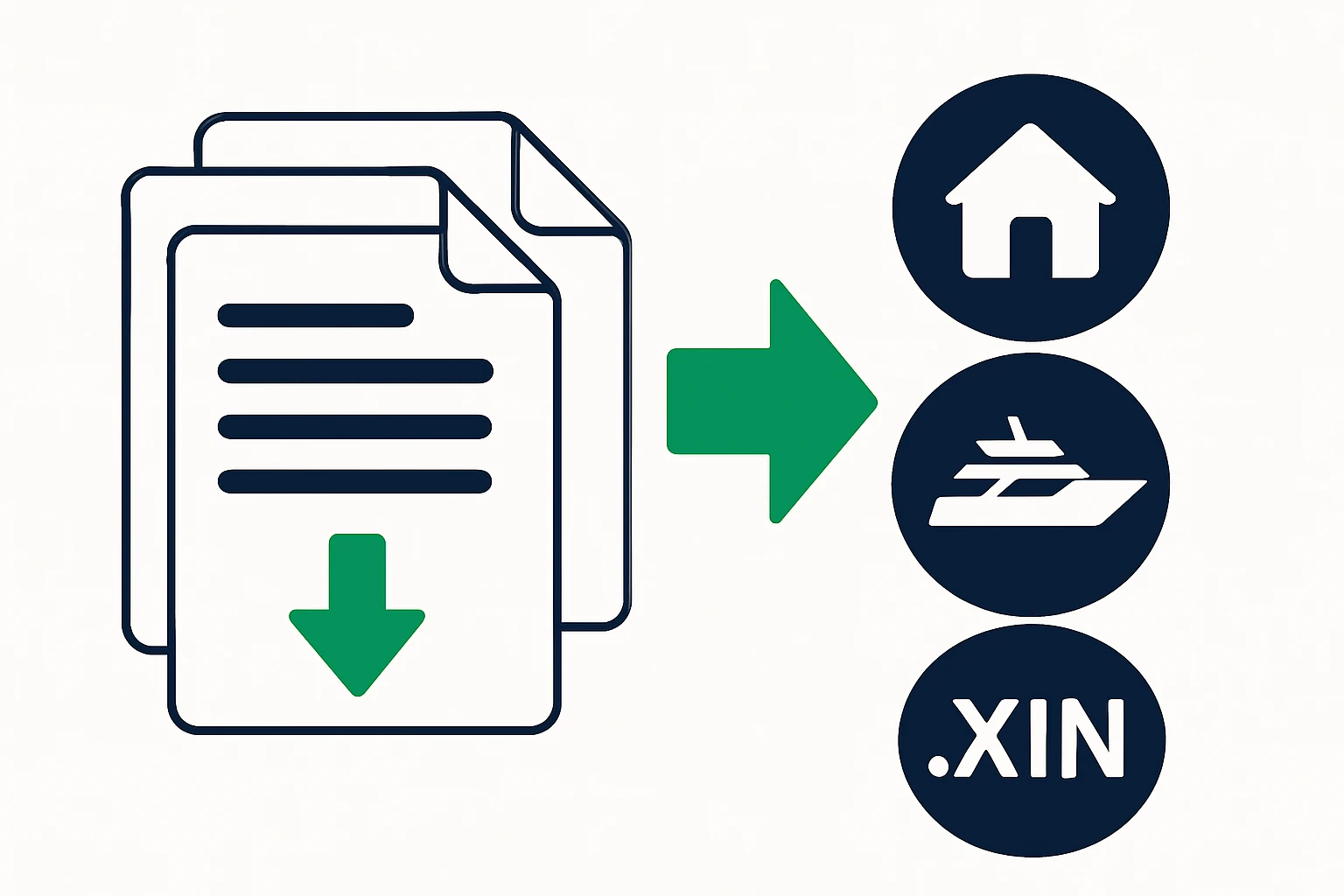
For SMBs evaluating new TLDs or expanding portfolio options, practical access to registered domain lists can speed up due diligence, brand checks, and market research. WebAtla provides downloadable lists by TLD, including .pe, .ke, and .media, which can support quick identifications of available domains aligned with your branding and regional strategy. Explore the following resources to kick off a controlled expansion plan:
- Download list of .pe domains for Latin American market exploration and regional branding alignment.
- List of domains by TLD to survey available domains across multiple extensions and gauge brand fit.
Using domain lists as part of your discovery phase helps marketing and design teams validate brand viability early, before you commit to a long-term investment. It also supports rapid testing of regional variants and A/B brand experiments in controlled markets. (Note: WebAtla’s pages are provided for reference and speed up the research phase, always verify trademark and brand clearance in each target market.)
Section 7: Putting it all together - what SMBs in the USA should do next
In practice, many US SMBs will benefit from starting with a unified global domain (for example, a strong .com) and layering targeted signals through subdirectories and hreflang, while selectively acquiring ccTLDs for regions with significant growth potential. This approach keeps branding cohesive, maintains SEO equity, and reduces the overhead of managing a large domain portfolio. As you grow, you can expand with country-specific domains or regional subdomains in a deliberate, budget-conscious way. The key is to tie domain choices to concrete marketing and operational plans - not just to chase perceived SEO advantages.
Conclusion
Domain strategy is a strategic component of your digital presence, not a standalone tactic. For SMBs, the most successful path blends thoughtful signaling (ccTLDs or subdirectories), strong localization where feasible, and performance-optimized hosting. By starting with a clear map of target markets, choosing signals that align with your capabilities, and leveraging structured domain lists to validate ideas, you can achieve local relevance and global reach without unnecessary complexity. If you’re evaluating how to structure your brand’s online footprint, consider a guided domain portfolio approach - supported by reputable guidance from Google and credible industry resources - and partner with providers like WebAtla to accelerate discovery and procurement. For more on how to shape your domain strategy alongside web design and marketing, explore the linked resources and related filings above.