Introduction
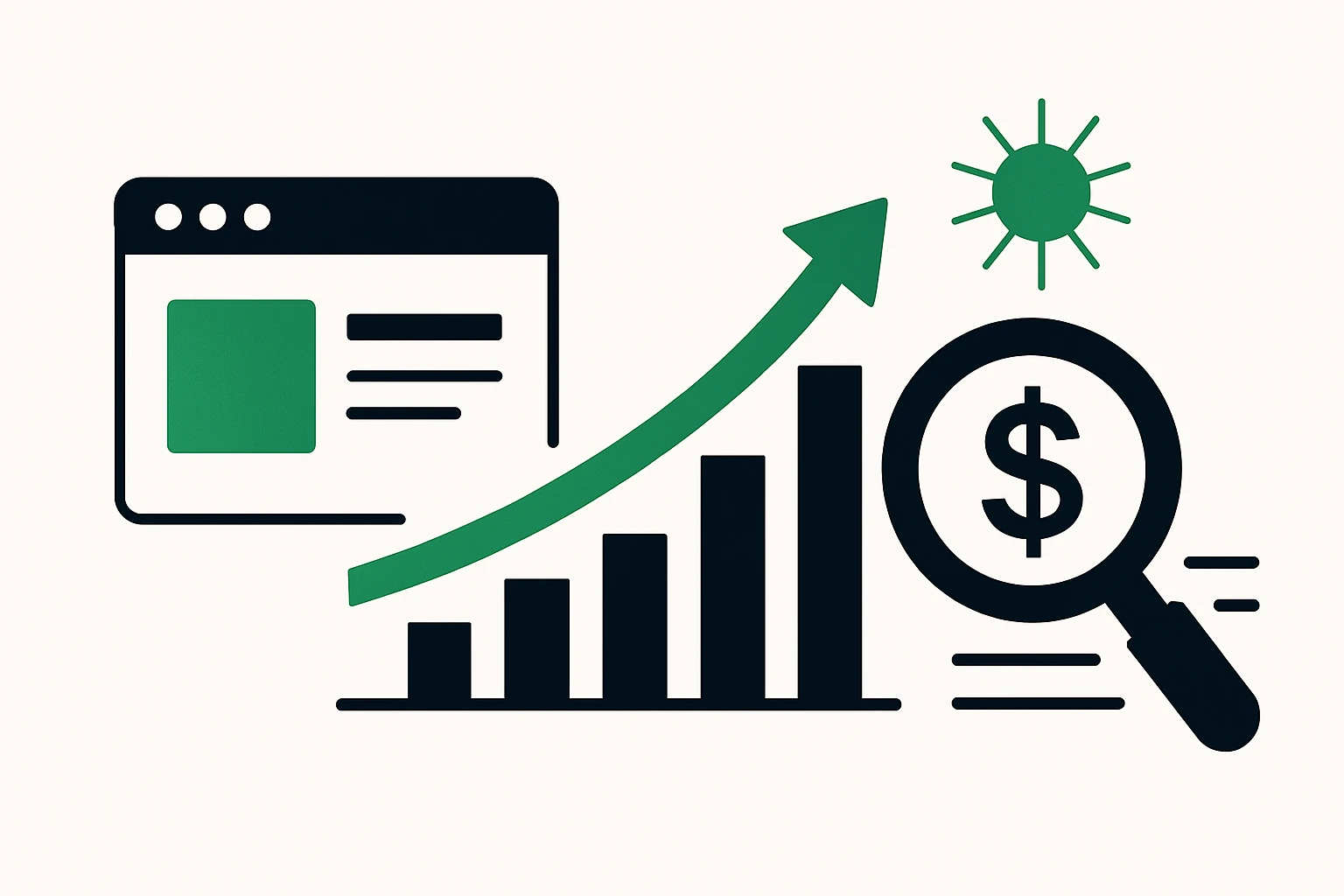
In the US market, SMBs often treat web design, SEO, and paid search as separate bets. But the most durable growth comes from an integrated approach: a fast, accessible website that search engines can read easily, paired with ads that drive qualified visitors to conversion-focused pages. For a US-based business looking for a web design agency USA that can deliver both aesthetics and measurable ROI, the path forward is clear: align design, technical performance, and marketing intent from day one.
Google's page experience guidelines show that performance signals, particularly Core Web Vitals, are part of the broader page experience considered by search rankings. But experts consistently emphasize that content quality, relevance, and user satisfaction remain the core drivers of visibility and conversion. In short: you should optimize for the user journey, not just a single metric. Google Page Experience guidelines (developers.google.com)
The 3-Pillar Growth Framework for SMBs
Pillar 1: Design for performance
Design isn't just about pretty visuals, it's about delivering a fast, accessible, and mobile-friendly experience. Core Web Vitals focus on loading performance (Largest Contentful Paint), interactivity (Interaction to Next Paint), and visual stability (Cumulative Layout Shift). When your site loads quickly and responds smoothly, visitors are more likely to engage and convert, and search engines reward strong user experiences with better visibility. Page Experience & CWV (developers.google.com)
Key considerations include a mobile-first approach, clean semantic HTML, optimized images, and a robust hosting environment that ensures fast Time to First Byte. In practice, many SMB sites gain more benefit from a few high-leverage optimizations than from chasing complex, marginal improvements. As Google and leading SEO researchers have noted, field data on real users matters more than lab benchmarks for ranking decisions, so observable improvements in real-world speed translate to better outcomes over time. Field data vs. lab data (searchenginejournal.com)
Expert insight: Even when Core Web Vitals are part of the signals, content quality and user intent drive engagement. A well-designed site that loads fast and answers visitors’ questions tends to outperform technically perfect pages with weak content. (searchenginejournal.com)
Pillar 2: SEO-ready design and content
SEO begins with architecture: a logical site structure, clear navigation, and clean URLs help search engines discover and interpret your content. A design that supports on-page SEO - proper headings, accessible markup, and fast, mobile-friendly pages - reduces friction for both users and crawlers. Beyond technical basics, the content must address real user needs, align with search intent, and be structured for featured snippets and answer boxes when relevant.
As SEJ and other authorities have observed, Core Web Vitals are important but not the sole determinant of rankings. The most reliable path to sustainable visibility is combining technical performance with high-quality, relevant content and legitimate user signals. This means investing in keyword-aligned content, internal linking, and a content calendar that matches your audience's questions. (searchenginejournal.com)
Pillar 3: PPC and landing page alignment
Paid search can accelerate growth, especially for SMBs targeting local markets. The most efficient campaigns are tightly aligned with landing pages that reinforce the ad’s promise, deliver a fast and persuasive user experience, and include clear calls to action. Google's own guidance for small businesses emphasizes clear objectives and choosing campaign types that suit your goals, followed by disciplined testing and optimization. The landing page experience matters just as much as the ad copy, because it directly influences conversion rates and Quality Score. Getting started with Google Ads: Tips for small businesses (blog.google)
Branding, domain strategy, and editorial context
Beyond design, your domain and branding play a crucial role in trust, recall, and discoverability. For teams contemplating a branding refresh or startup domain acquisition, domain inventories by TLDs can help you select a brandable URL that resonates with your market. For example, you can explore cataloged options such as domain categories by TLD and .com inventories to support branding decisions. domain assets by TLD and top-level .com domains are representative paths to consider.
Structured framework at a glance
The following compact framework summarizes the three pillars and how they connect to your marketing stack.
- Plan - define goals, audience, and success metrics that span design, SEO, and paid search.
- Build - implement a performance-focused site architecture with SEO-ready content and conversion-oriented landing pages.
- Promote - run PPC campaigns with landing pages that reinforce the ads, then measure and iterate based on real user data.
Limitations and common mistakes
- Over-optimizing for Core Web Vitals at the expense of content quality and clarity.
- Isolating web design from SEO and PPC strategy instead of coordinating updates across channels.
- Under-investing in high-intent landing pages that match ad copy and user expectations.
- Ignoring mobile UX or accessibility, which hurts both user experience and crawlability.
- Relying on lab data (like outdated Lighthouse scores) rather than real user field data for decision-making. (Field data emphasis supported by Google guidance) (searchenginejournal.com)
- Letting ad spend run without proper attribution or conversion tracking, resulting in unclear ROI. (blog.google)
- Failing to align branding and domain strategy with long-term marketing goals.
Framework at a glance
- Design with performance - speed, mobile, accessibility, and robust hosting.
- Architect for SEO - clean structure, semantic markup, and content that answers real questions.
- Advertise with intent - PPC campaigns paired with conversion-friendly landing pages and rigorous measurement.
Conclusion
For US SMBs aiming to grow, the most durable path combines thoughtful design, solid SEO foundations, and disciplined paid media management. A holistic approach - supported by a capable partner that can act as a digital marketing agency of record for integrated web design, SEO, and Google Ads - delivers compounding returns that pure aesthetics or isolated optimization cannot. To explore how a unified strategy could work for your business, consider engaging with an experienced team that can bridge design, development, and marketing to deliver measurable outcomes. For businesses evaluating domain strategy as part of their branding, WebAtla’s catalog of domain assets by TLDs offers practical options to complement your online presence: domain assets by TLD and top-level .com domains.