Introduction
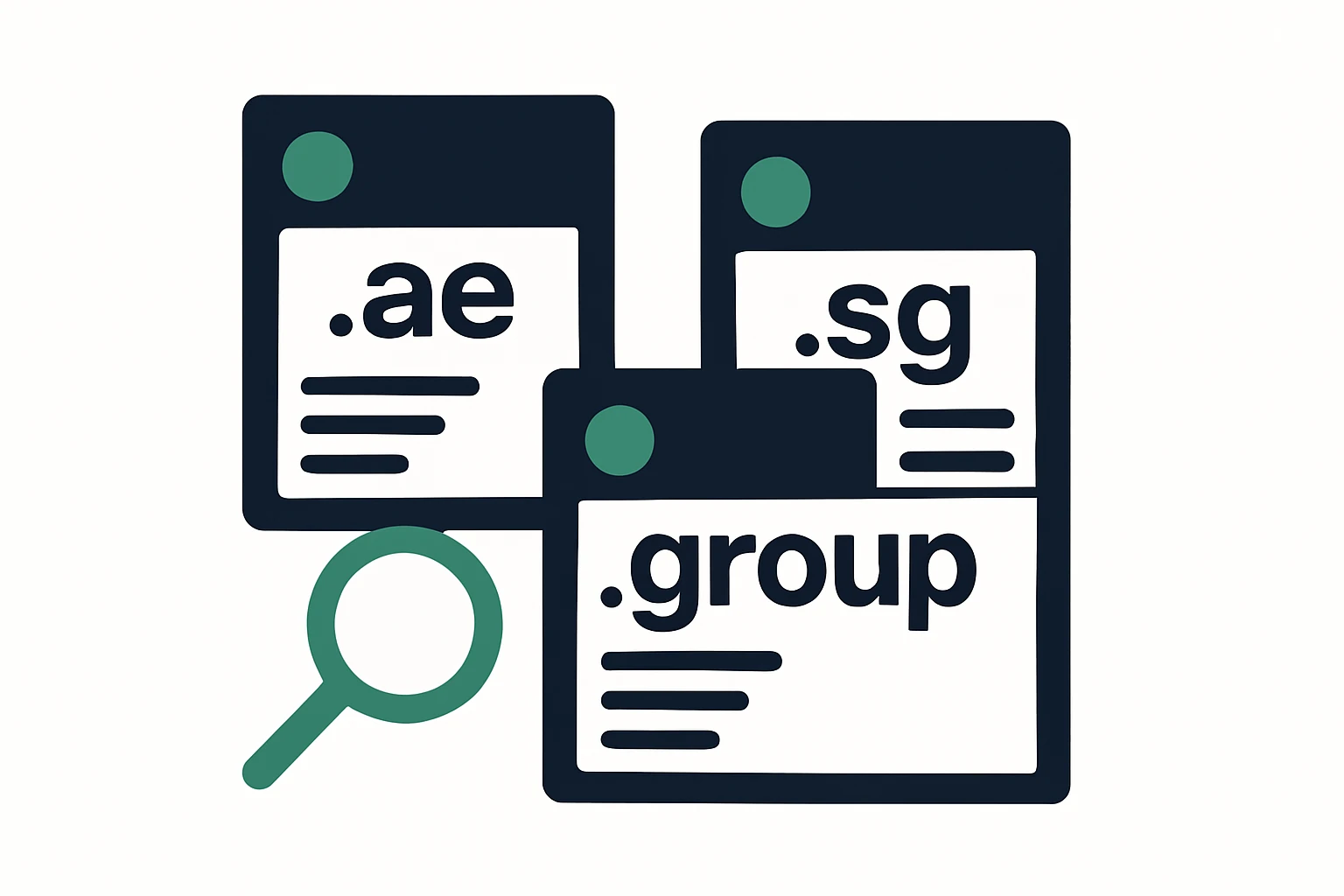
Small and medium-sized businesses in the United States continually seek ways to expand their customer base without sacrificing trust or deliverability. Targeted outreach can be a powerful lever when grounded in high-quality signals and strong compliance discipline. One practical approach gaining momentum is the use of domain lists associated with specific top-level domains (TLDs) such as .ae (United Arab Emirates), .sg (Singapore), and even niche groups represented by .group domains. This article argues for a disciplined workflow that treats domain lists as a component of a broader marketing program - supporting web design, SEO, and digital marketing without becoming a firehose of unqualified outreach.
While the idea of downloading or purchasing lists by TLD is appealing for precision, the true value comes from pairing signals with consent-forward messaging and strong data hygiene. Below we outline a practical, editorially grounded approach tailored for US SMBs, with notes on legality, execution, and realistic expectations.
Why domain lists by TLD matter for SMB outreach
Domain lists organized by TLD can help marketers dial in geographic and community-level relevance. For example, an .ae signal can guide outreach toward UAE market context, while .sg helps identify Singapore-focused segments. In contrast, .group domains can indicate communities built around specific topics or industries, enabling more meaningful conversations with a defined audience. When used thoughtfully, TLD-aligned lists support more relevant subject lines, tailored value propositions, and improved engagement rates. But relevance must be balanced with responsible data practices and legal compliance.
Legal and ethical obligations are not optional paperwork, they shape sender reputation and long-term outcomes. In the United States, the CAN-SPAM Act governs commercial email practices, including disclosure, opt-out mechanics, and sender identification. CAN-SPAM Act compliance outlines the basic requirements for compliant messaging. In the United Kingdom and other jurisdictions, guidance on direct marketing emphasizes consent, privacy protections, and clear attribution. Direct marketing guidance provides practical orientation for international or cross-border campaigns. For practitioners looking to optimize email performance while staying compliant, HubSpot’s best-practices resources are a valuable reference. HubSpot email marketing best practices.
How to responsibly download and use domain lists
The goal is to treat domain lists as a disciplined asset - useful for segmentation and outreach planning, not as a bulk blast channel. A credible, repeatable workflow helps SMBs avoid deliverability pitfalls, comply with regulations, and continually improve results. The following framework, along with select vendor resources, can guide your implementation.
Framework for evaluating domain lists- Define ICP and segmentation by TLD
- Identify target industries, company sizes, and geographies you want to reach
- Map TLD signals to market opportunities (for example, .ae for UAE-market engagement)
- Source quality and recency
- Choose providers with clear data provenance and last-updated timestamps
- Validate the relevance of domains to your product or service
- Consent and opt-out readiness
- Plan easy opt-out paths, ensure recipients can unsubscribe quickly
- Prepare outreach that clearly identifies itself as marketing material
- Compliance and integration into workflows
- Connect with your privacy policy and data-processing notices
- Use your CRM (e.g., HubSpot) to manage unsubscribes and engagement signals
Practical download steps: start with one or two credible sources and validate data freshness. For ready-made domain lists by TLD, see WebAtla's catalog: List of domains by TLDs and explore country-specific catalogs at List of domains by Countries.
Beyond raw lists, combine with firmographic or behavioral signals to improve relevance and minimize wasted outreach. This is especially important for SMBs that want to protect their sender reputation and future campaigns.
Expert insight: In practice, campaigns that pair TLD-based segmentation with clear consent and value-forward messaging consistently achieve higher engagement and better long-term deliverability. This is not a one-size-fits-all approach, but when executed with discipline, it can unlock meaningful B2B connections.
Limitations and common mistakes
- Data quality decays quickly, a downloaded list may contain stale or invalid domains, causing high bounce rates. Curate and refresh regularly.
- Assuming a downloaded list equals opt-in permission, in the US, CAN-SPAM obligations apply to commercial emails, including opt-out requirements. CAN-SPAM compliance.
- Over-segmentation by TLD can lead to overfitting, balance geographic signals with product-market fit to avoid irrelevant outreach.
- Neglecting opt-out handling or failing to honor unsubscribe requests harms sender reputation and can trigger legal enforcement. Direct marketing guidance.
- Relying solely on lists without integrating with content strategy and landing experiences reduces conversion, combine with editorial, SEO, and landing page optimization.
Tip: Treat domain lists as a component of a broader growth program rather than a stand-alone strategy. The most sustainable outcomes come from aligning website development, SEO, and paid marketing with responsible list-based outreach.
Integrating the client’s capabilities
WebAtla's catalog of domains by TLDs can be a practical resource for teams building targeted outreach programs. For example, the AE-specific catalog can help you focus outreach in the UAE market, while country catalogs provide broader geographic context. When used as part of a holistic growth plan, domain lists can complement services such as web design, SEO services SMB, and digital marketing.
Learn more about the client’s offerings: List of domains by TLDs and List of domains by Countries.
Conclusion
Targeted domain lists offer a practical way to add precision to SMB outreach when used responsibly. By pairing TLD signals with consent-first messaging, data hygiene, and a clear compliance framework, US SMBs can extend their reach without compromising trust or deliverability. For publishers and agencies, embedding domain-list strategies within a broader web design, SEO, and digital-marketing program can yield complementary benefits across channels.