Introduction: Why websites by country matter for SMBs
For small and medium-sized businesses (SMBs) aiming to grow beyond a single local market, the question isn’t just whether to build a storefront online, but where to host and how to structure the global web presence. A country-aware domain strategy can shape user trust, influence local search visibility, and streamline regional marketing efforts. Put differently: the country you choose for your primary domain can become a signal about who you serve and where you invest your time and resources. This article unpacks what it means to manage websites by country, how country code domains fit into a modern SEO and localization plan, and a practical framework SMBs can apply today. Note: country code top-level domains (ccTLDs) are ISO-3166 based identifiers delegated to national registries, and Google offers explicit guidance on signaling locale through several means including ccTLDs, hreflang, and locale-specific URLs. IANA Root Zone Database provides the definitive listing of ccTLDs and their delegations, which underpins any country-focused strategy. (iana.org)
What 'websites by country' means in practice
When we speak of "websites by country," we’re talking about a portfolio of sites or site components that are tailored to individual geographic markets. This can be accomplished in several ways, each with its own trade-offs:
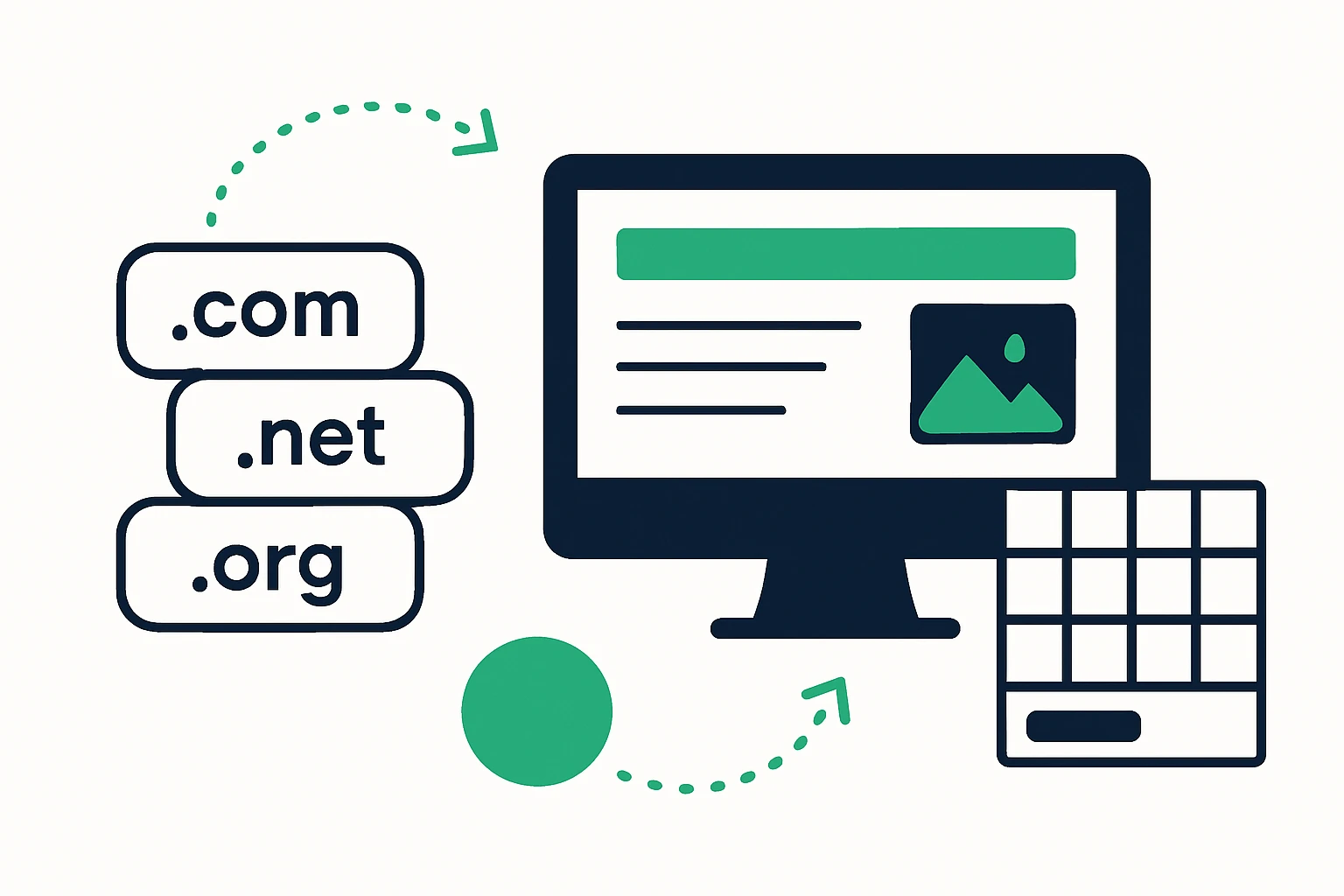
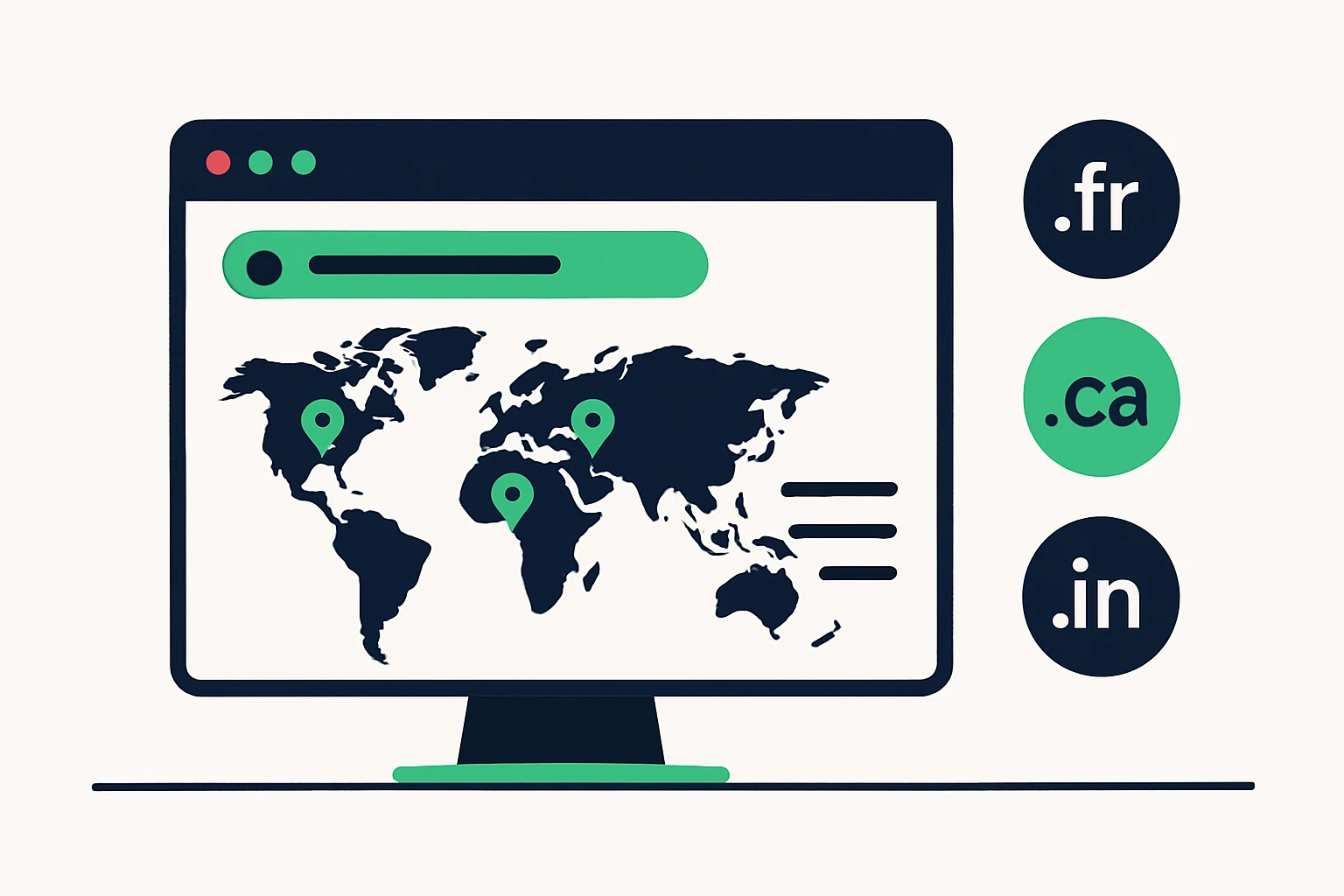
- ccTLDs (country-specific domains): Examples include .us for the United States, .fr for France, or .jp for Japan. ccTLDs map cleanly to a country and are often perceived as locally authoritative by users and search engines alike.
- Subdomains or subdirectories for regions: Examples like us.example.com or example.com/us/ allow centralized hosting while signaling regional focus. This approach can be easier to manage than dedicated ccTLDs, but may require careful geo-targeting signals to clarify intent to search engines.
- Language- and country-specific content via hreflang: hreflang annotations help Google understand language and regional targeting when multiple locales share a single domain or structure.
To implement this effectively, you need explicit signals about locale in the website structure, as Google’s guidance on international targeting emphasizes. The core options - ccTLDs, subdomains, or explicit localization cues - each require disciplined execution to avoid confusing search engines or users. Google's international targeting guidelines explain how to signal locale using these methods, including hreflang entries and country-specific URLs. (developers.google.com)
Why country code domains matter for SMBs: SEO, trust, and localization
Country code domains carry several practical benefits for SMBs expanding into new markets.
- Local relevance and trust: A country-specific domain can boost perceived relevance and trust among local users, potentially improving click-through rates and engagement in targeted markets.
- Clear geo-targeting signals for search engines: Google and other search engines rely on signals such as the domain structure, content language, and local hosting to infer audience intent. Explicitly signaling country intent can improve visibility for local queries.
- Brand localization and compliance: Local domains can align with regulatory, cultural, and consumer expectations in each market, supporting a more coherent localization strategy.
Implementing a country-focused structure also requires disciplined attention to technical and content alignment. For example, if you deploy multiple locale variants, you should ensure each variant has localized content, metadata, and links that reinforce the intended audience. As you plan, it’s useful to understand the official ccTLD landscape and how it is managed. The Root Zone Database lists all current ccTLDs and their delegations, serving as the authoritative reference for any country-domain project. IANA Root Zone Database confirms that ccTLDs are ISO-3166 based identifiers managed by country registries, a foundational fact for any country-by-country strategy. (iana.org)
Choosing a domain architecture: ccTLDs vs subdomains vs subdirectories
There is no one-size-fits-all solution. SMBs must balance management overhead, SEO impact, and user experience when designing a multi-country presence.
Option A: Separate ccTLDs – Pros: strong local signaling, potential for easier regulatory alignment, potentially higher trust in some markets. Cons: higher domain portfolio complexity, separate hosting and security considerations, and increased localization workload for content, CMS, and analytics.
Option B: Subdomains (us.example.com) – Pros: centralized hosting and shared SEO value, simpler to scale content workflows. Cons: weaker country signals than full ccTLDs if not reinforced by other localization cues.
Option C: Subdirectories (example.com/us/) – Pros: straightforward site structure, easier analytics, consistent cross-market branding. Cons: needs robust geo-targeting signals and may blur market boundaries if not managed carefully.
Whichever structure you choose, localization quality matters as much as the domain choice. Google’s guidance underlines the importance of explicit localization signals (including hreflang) when you host multilingual or multiregional content on non-ccTLD setups. See the multi-regional site guidance for details on signaling language and country intent. Google's guidance on multi-regional sites. (developers.google.com)
A practical SMB decision framework: how to pick and implement your country strategy
The following framework is designed to help SMBs assess markets, architecture choices, and ongoing governance in a clear, repeatable way. Use it as a practical checklist to guide investments and avoid common missteps.
- Market Scope and Priority: List target countries by order of potential impact, considering search demand, local competition, and regulatory considerations. Start with a single country to test your approach before expanding.
- Domain Architecture: Decide between ccTLDs, subdomains, or subdirectories based on operational capacity, CMS capabilities, and long-term localization goals. Allocate resources for translation, local landing pages, and country-specific metadata.
- Localization & Content: Develop a localization plan - translations, currency, legal terms, and cultural alignment. Ensure the user journey in each locale mirrors brand standards while reflecting local nuances.
- Technical Signals & Indexing: Implement hreflang where multiple locales coexist, set proper canonical signals, and configure Google Search Console targets for each market. Continually monitor indexing and rankings by country.
Structured guidance from industry authorities shows that explicit localization signals, when paired with consistent technical configuration, can improve both crawl efficiency and user experience across markets. For SMBs, starting with a single-market ccTLD or a tightly scoped subdirectory can reduce initial complexity while enabling measurable learning before broader expansion. IANA Root Zone Database confirms the scope of ccTLDs you may consider, while Google's international targeting guidelines explain how to signal locale correctly in practice. (iana.org)
Limitations, trade-offs, and common mistakes to avoid
Multi-country domain strategies offer significant upside but come with real challenges. Here are the most common missteps SMBs encounter - and how to avoid them.
- Over-segmentation too early: Launching multiple ccTLDs before market validation can drain resources. Start with a carefully chosen single market and iterate. This approach aligns well with the practical, data-driven mindset that SMBs need for sustainable growth.
- Inconsistent localization: Translating pages without adapting to local contexts (pricing, shipping, legal terms) can create a dissonant user experience and hurt conversions.
- Neglecting canonical and hreflang signals: If you publish similar content across locales but fail to provide proper hreflang annotations or regional signals, search engines may misinterpret intent and reduce visibility.
- Ignoring analytics granularity: Treating a global analytics view as sufficient hides performance differences by country. Separate dashboards or filters by market help uncover actionable insights.
For SMBs, these trade-offs are not merely academic, they shape how you allocate budget, hiring, and content production. The Google international targeting guidance emphasizes the need for explicit signals and separate targeting where appropriate, which is central to any credible cross-border plan. Google's guidance is a practical, up-to-date reference for implementation. (developers.google.com)
Operational considerations: hosting, DNS, and performance
Beyond domain selection, SMBs should plan for hosting, security, and performance in each market. Local hosting can improve page load times for regional audiences, while DNS and SSL configurations must be maintained consistently across all domains or subdomains. When expanding internationally, closely monitor crawl budgets, indexing status, and user metrics in each market. A well-structured domain portfolio reduces friction for both visitors and search engines, supporting a smoother user journey and improved ROI over time. The IANA Root Zone Database remains the authoritative reference for ccTLD management and delegation, which underpins reliable operations across your portfolio. IANA Root Zone Database. (iana.org)
How WebAtla can help SMBs plan and execute a country-focused domain strategy
WebAtla’s country-focused datasets provide a practical starting point for SMBs assessing websites by country and country code domains. The datasets help you evaluate market potential, domain availability, and technical readiness before committing to a particular architecture. See the country-by-country resource at WebAtla: Websites by Country and the domain-structure overview at WebAtla: Domains by TLD. These resources can be used in conjunction with established guidelines to build a scalable, legally compliant, and locally resonant web presence.
Real-world takeaways
For SMBs, the path to a globally resonant online presence often begins with a focused, data-informed experiment in one target market. From there, a disciplined expansion plan - grounded in solid domain architecture, accurate localization, and robust measurement - can unlock incremental growth. The authoritative ccTLD landscape is publicly documented, and guidance from Google helps ensure that your geo-targeting signals are interpreted correctly. By combining a staged, market-by-market approach with quality localization and clear technical signals, SMBs can build a credible global web presence without overextending resources. IANA Root Zone Database and Google's international targeting guidelines are essential references as you start. (iana.org)
Conclusion
Websites by country, through country code domains and related localization signals, offer a practical, testable path for SMB growth beyond domestic markets. A thoughtful architecture - coupled with explicit localization signals and ongoing measurement - can improve user experience, trust, and visibility in target markets. Start with a clear market test, align your domain strategy with a robust localization plan, and use authoritative references to guide implementation. If you’re exploring this path, WebAtla’s country and TLD resources can help you map options and avoid common pitfalls as you scale.